2026-10-15 ·
Preparing La Jolla Properties for Winter Rain Events
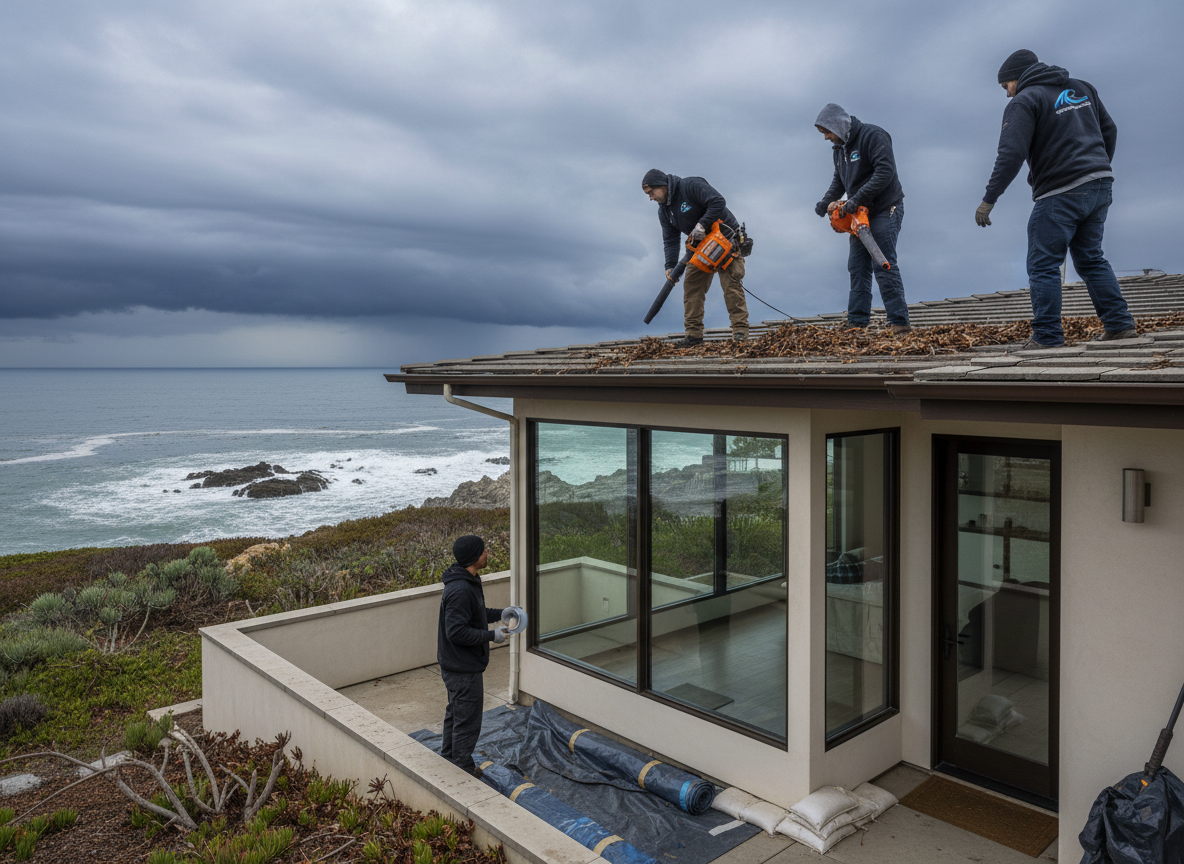
Preparing La Jolla properties for winter rain events begins with roof and gutter inspections in October, followed by foundation checks around properties in La Jolla Shores and Bird Rock. These steps address the area's mild Mediterranean coastal climate where November through February brings the bulk of annual rainfall on older stucco and wood-frame homes near La Jolla Cove and Scripps Pier. Owners in Upper La Jolla and Muirlands often see water pool against slopes during heavier events, while homes closer to La Jolla Shores Beach contend with higher groundwater. Early action prevents saturation of crawl spaces and attics that later requires professional intervention.
Assessing Roof and Gutter Conditions
La Jolla's coastal exposure accelerates wear on asphalt shingles and tile roofs, especially on homes built before 1980 in Windansea and Torrey Pines. Check for missing tiles, cracked flashing around chimneys, and debris buildup in gutters that directs water behind fascia boards. Properties near Mount Soledad experience stronger winds that can lift edges during storms. Clear downspouts fully and extend them at least 5 feet from foundations. In La Jolla Village, multi-story homes often need ladder access to verify second-story valleys remain sealed. These inspections typically take 2–4 hours per residence and reveal issues before rain arrives from the Pacific.
Securing Foundations and Slopes
Many La Jolla homes sit on graded lots where winter rains can erode soil around slabs and crawl spaces. Examine grading so water flows away at a minimum 6-inch drop over 10 feet. In Bird Rock and Muirlands, retaining walls often hold back hillside runoff that saturates stucco siding at grade level. Seal visible cracks wider than 1/8 inch with appropriate caulk and ensure French drains remain clear. Homes near UC San Diego and Birch Aquarium sometimes face additional moisture from irrigation overspray mixing with rain. Re-grade low spots promptly to avoid standing water against footings that can migrate indoors within 24–48 hours of sustained rain.
Controlling Indoor Humidity and Leaks
Once exterior checks finish, turn attention to interior moisture pathways common in La Jolla's older housing stock. Run exhaust fans in bathrooms and kitchens during showers and cooking to keep relative humidity below 50 percent. Inspect under sinks and around water heaters for slow drips that worsen when rain raises outdoor humidity. Properties in La Jolla Shores with slab-on-grade construction benefit from monitoring for efflorescence on concrete floors. Water damage mitigation becomes necessary when leaks reach drywall or subfloors. Readers can also review Handling Mold Risks After Leaks in Humid La Jolla Homes for post-storm guidance and Factors That Affect Water Damage Restoration Costs in La Jolla to understand variables that influence drying timelines.
Responding to Initial Water Intrusion
When rain overwhelms defenses, act within the first hour by shutting off water if a pipe bursts and documenting visible damage with photos. Move furniture and belongings away from affected walls and floors. Contact a 24/7 team at 7345 La Jolla Blvd, La Jolla, CA 92037 for extraction and drying equipment sized to the square footage involved. Homes in Del Mar and Solana Beach share similar coastal patterns, so crews familiar with San Diego County conditions respond faster. Consistent monitoring with moisture meters prevents hidden mold growth behind baseboards that can appear weeks later.